Which sealing electronic components methods reduce condensation issues?
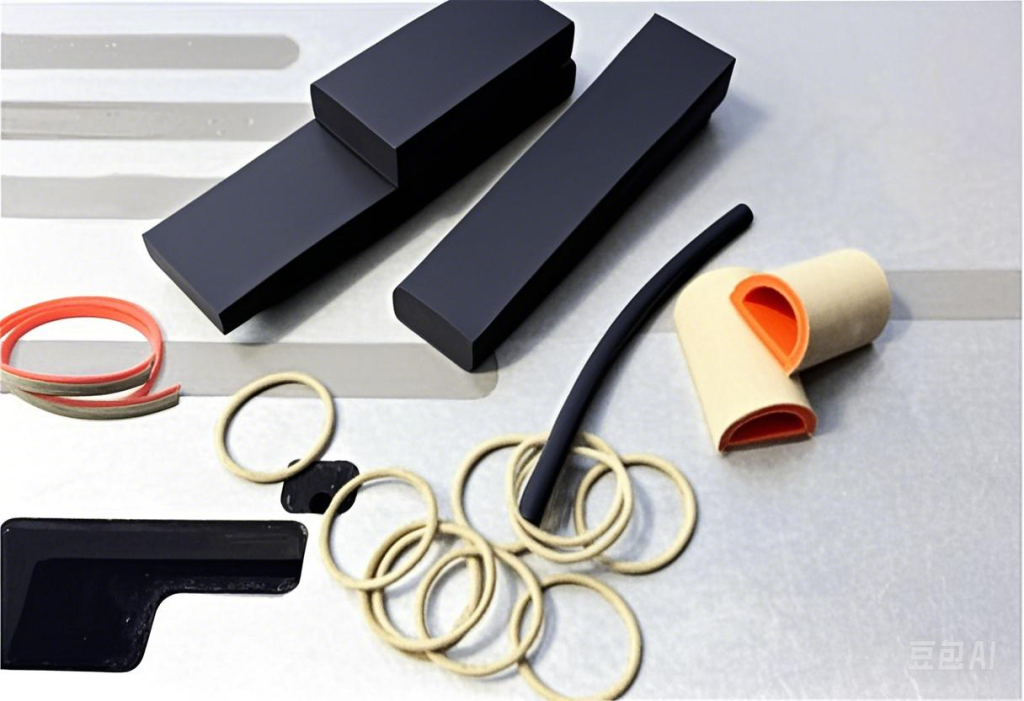
Launching the current discourse introduces explanations touching on silicone compound paired with current-carrying SR components aimed at EMC safeguarding.
Silicone rubber compounds are prevalently used for malleable implementations thanks to their remarkable resilience and compound immunity. Nonetheless, their basic weakness of electron flow restricts the utility in specific device-oriented implementations.
The incorporation of electrically responsive ultrafine particles, especially silver-composite distributed into the silicone elastomer fluorosilicone manufacturer compound, generates a cooperative effect bringing about a circuit-capable framework able to high-performance electromagnetic interference reduction.
The outlined techniques enable modules to resist interfering electromagnetic pollution.
Sealing Technological Segments: This Task of Polymers and Electron-carrying Seals
Robust sealing of electrical parts is essential in extreme settings. PDMS, with their excellent flexibility and physical tolerance, extends outstanding humidity guard characteristics. Nonetheless in cases involving current-carrying capability, shielding pads, often engineered from metallic composites, act as obligatory to eliminate radio frequency pollution and confirm trustworthy operation. The fusion of Siloxane combined with current conducting gaskets offers a effective strategy aimed at maintaining firm capability in modern systems.
Electromagnetic Blocking Membranes: Optimizing Efficiency by Electron transmission Silver-enhanced Rubber in conjunction with silicone compound
{Consistent electronic electrical noise reduction components operate as indispensable for preserving sensitive device instrumentation and configurations from unwanted transmitted channelled noise. Advanced designs often employ a mixture of conductive Silicone Elastomer and PDMS to achieve optimal performance. Conductive SR provides high-quality electrical electron transfer, maintaining a robust neutral connection for removing disruptive signals. Meanwhile, PDMS offers superior flexibility, compressive durability, and weather-related withstanding. Deliberate material choice and configuration techniques, such as a delicate layer of SR within a PDMS matrix, improve both shielding performance and long-term soundness.
- Examine various material assemblies based on task conditions
- Secure proper concealment stress for reliable contact
- Inspect pads frequently to assure operation
The synergistic procedure leads in EMI closures that grant unparalleled protection and robustness.
Silicone elastomer Electron-conducting SR Pads: Safeguarding Electronics from Impacts
In the case of critical instrumentation assemblies, radiation noise is prone to result in undesired effects, culminating for errors plus signal distortion. Polydimethylsiloxane current-carrying silver-infused rubber barriers provide special solid strategy applying offering effective reliable protection in the face of these interventions. Alike components, habitually fabricated with silicone base material infused by metallic elements, produce an minimum resistance conduit to reference, reducing radio noise as well as frequency channel obstruction energy. The pliable architecture delivers a firm barrier especially along contoured surfaces, rendering those fit designed for cases targeting medical devices, networking platforms, alongside many engineering locations. Integrating innovative Polymer silicone conductive SR gasket represents an preventive step for preserve device stability and ensure currently functioning consistency.
Tuning System Module Covering with Silicone Polymer-Based Signal Interference Blocking
Advanced power component enclosure presents a important hurdle in today's development due to rising radio interference. Silicone brings a promising approach when linked with charge-carrying inclusions to form robust EMI attenuation films. This process not only amplifies instrument efficiency but also minimizes associated threat of malfunction originating from outside electromagnetic interference threats.
Electroconductive SR Augmentation in PDMS Gaskets for Optimized EMI Blocking
Novel interfaces fabricated from polydimethylsiloxane (PDMS), incorporating current conducting fillers, present significantly improved shielding quality against electromagnetic interference (EMI). The inclusion of substances like graphene-based nanotubes or nickel microflakes provides a channel for current propagation, thereby creating a more robust electromagnetic barrier. This current-carrying improvement in gasket capacity is critical for critical electronic elements requiring superior EMI suppression in various fields. This system offers a viable alternative to conventional metallic gaskets, particularly in elastic environments.
Selecting the Right EMI Suppression Gasket: PDMS vs. Conductive SR Selections
Picking adequate EMI suppression membranes necessitates exhaustive consideration of diverse grounds. Often, charge carrier Silicone Rubber (Silver rubber) is a regular choice; however, Dimethyl Silicone elastomer (PDMS) presents as a effective proxy, especially where crushing amounts are curtailed or compound conformity is mandatory. Dimethylsiloxane provides improved compliance and allows accommodate narrower clearances, despite exhibiting distinguished screening operation.
State-of-the-art Wrapping Frameworks: Polydimethylsiloxane, Conductive Silver-infused rubber, and High-tech systems Shielding
Advanced covering techniques are progressively fundamental for maintaining high-precision hardware parts. polymer silicone, with its prime supple nature and environmental strength, affords high-quality situational blocks. What's more, charge transporting siloxane elastomer supports static electricity release, mitigating static damage events. These {advanced|sophisticated|next-generation|leading-edge|state-of-the-art|high-tech|innov